
Rare vinyl records for sale in the UK: original first pressings, what makes a record valuable, and how to check a price before you buy or sell. Most rare records are not famous albums. They are short runs and withdrawn singles that few people kept, and they still turn up in boxes at car boot sales.
Table of Contents
Rare UK first pressings for sale now
These are live listings of original UK first pressings, from 1950s jazz to 1980s indie. The list refreshes every day, so sold records drop off and new ones appear. Check the grading and matrix details in each listing before you buy.
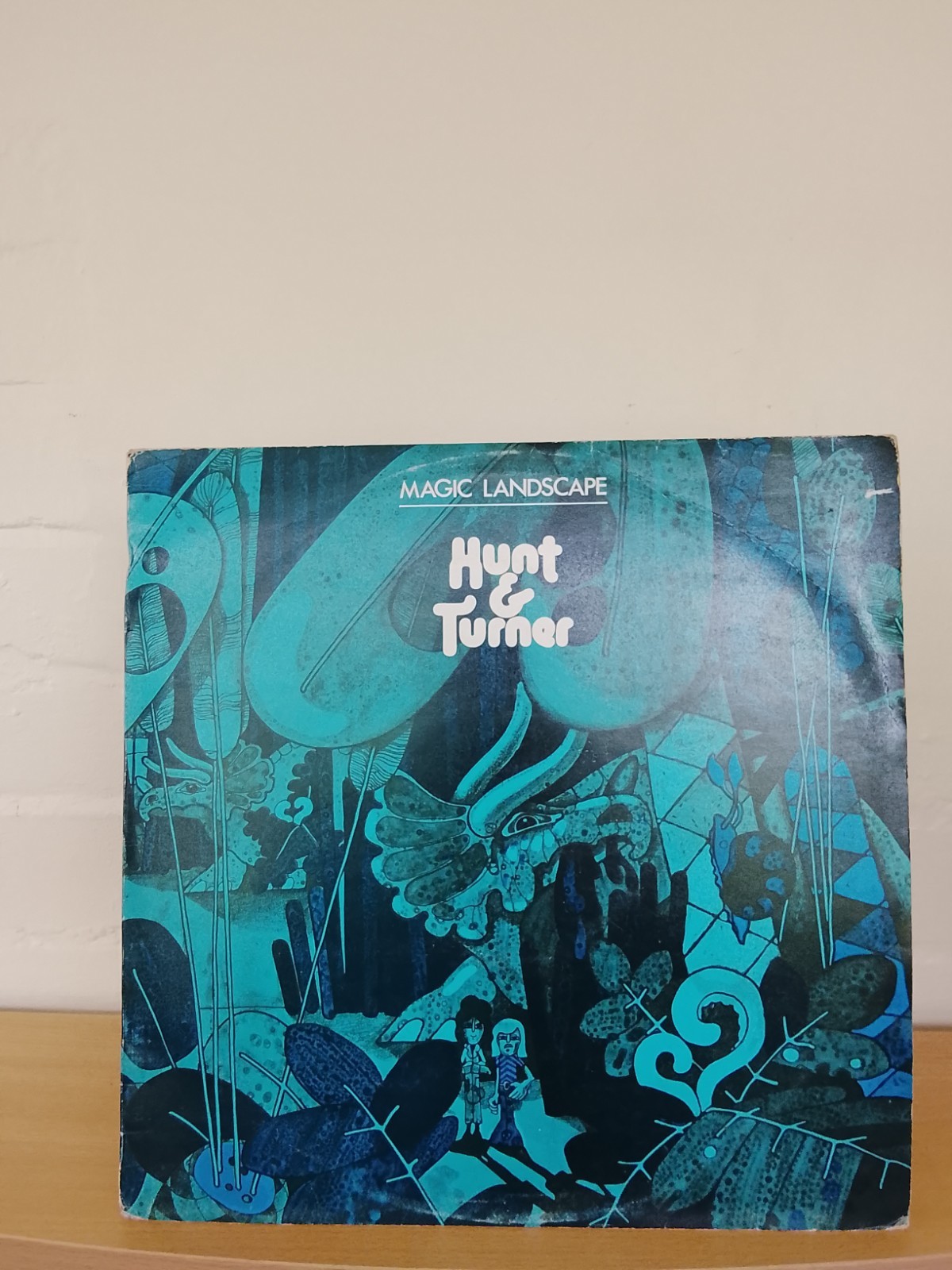
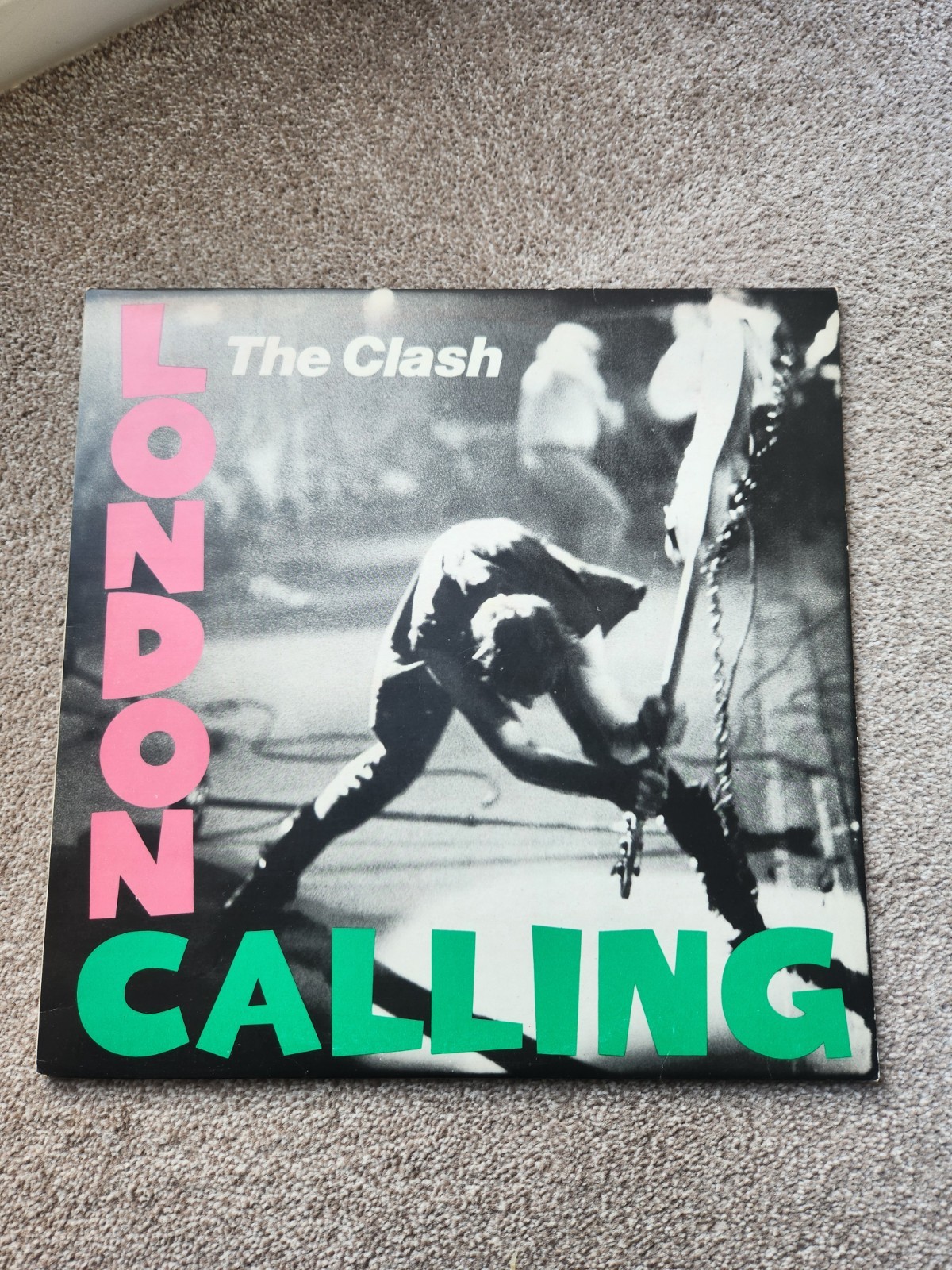

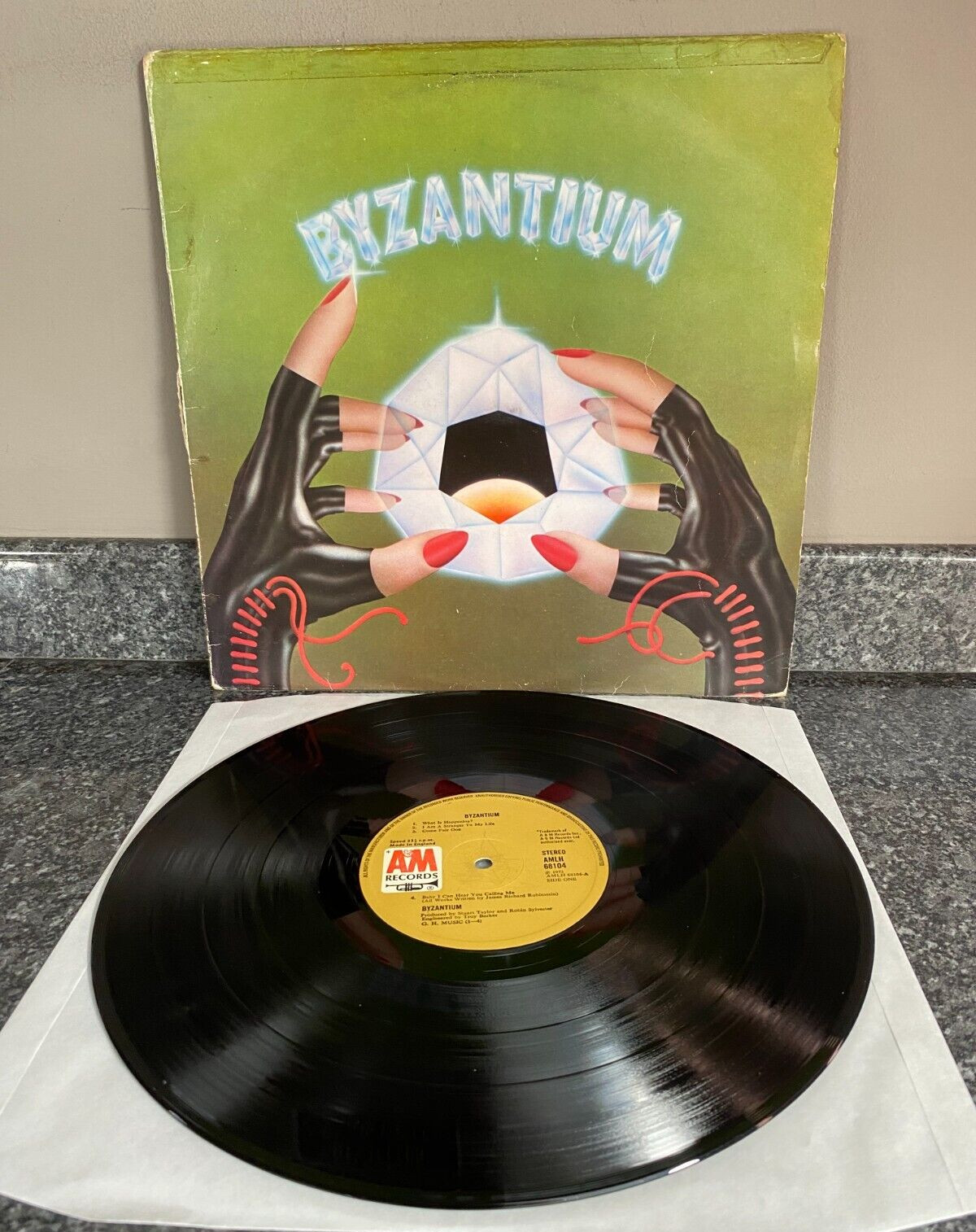
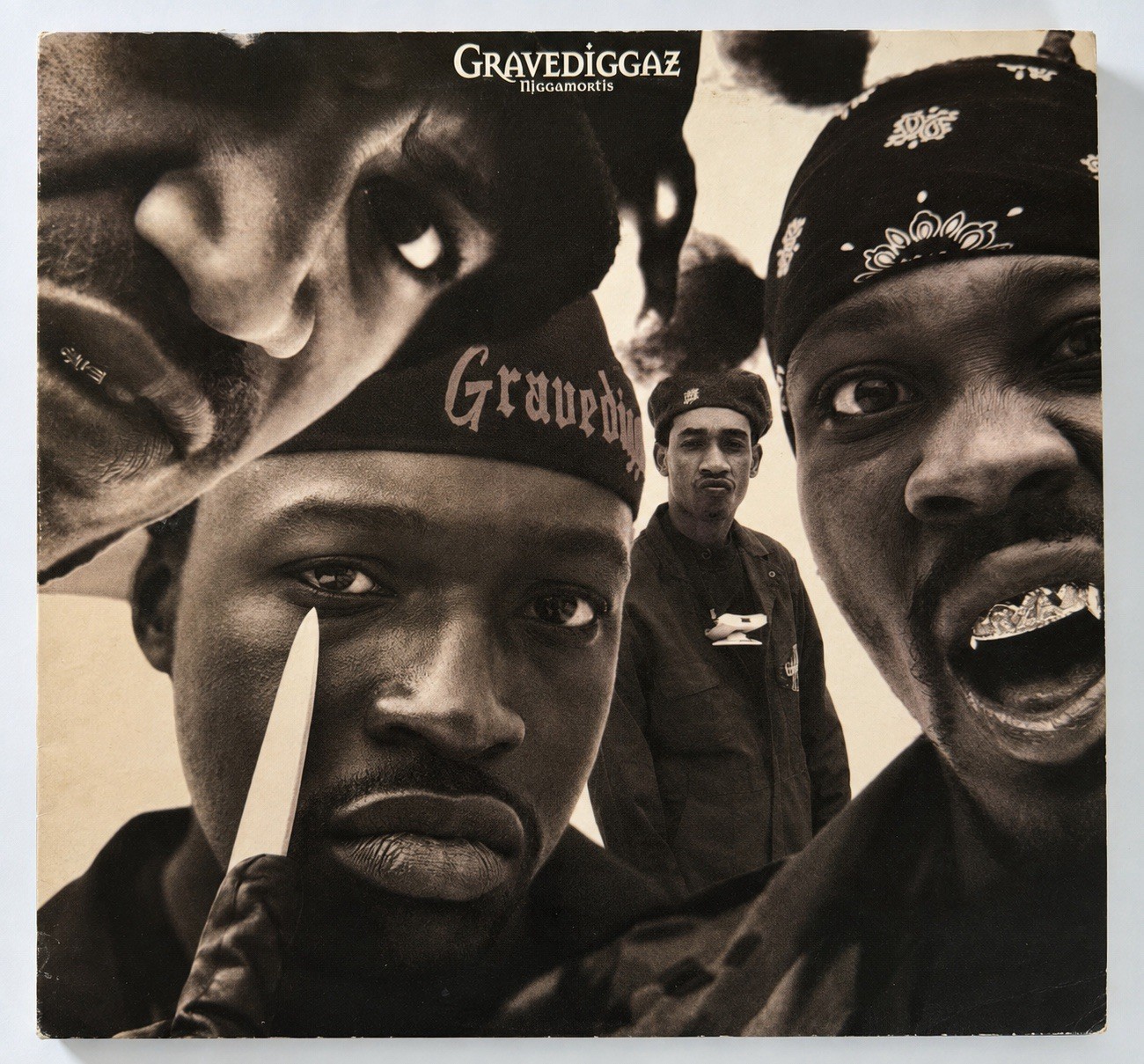
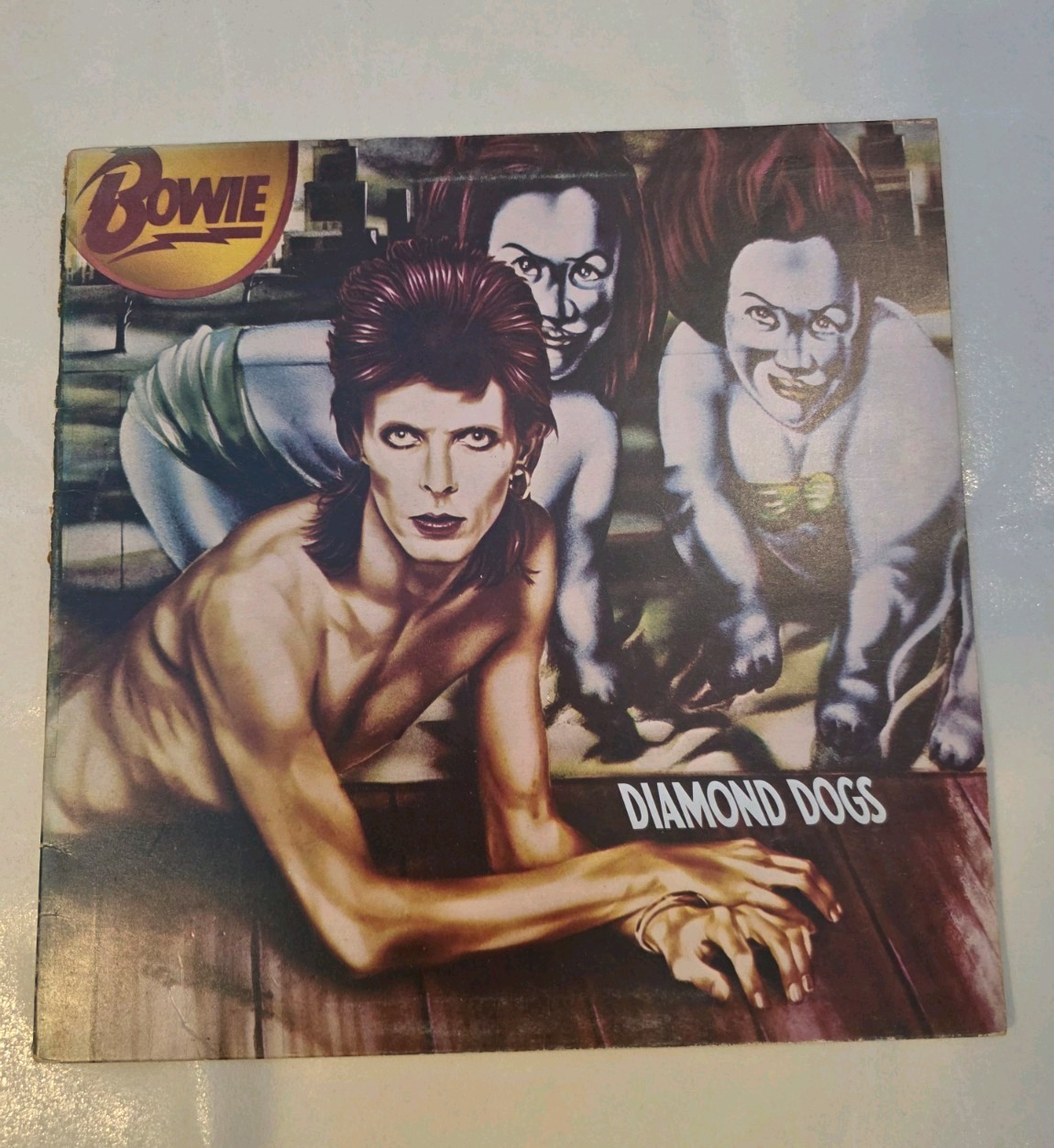
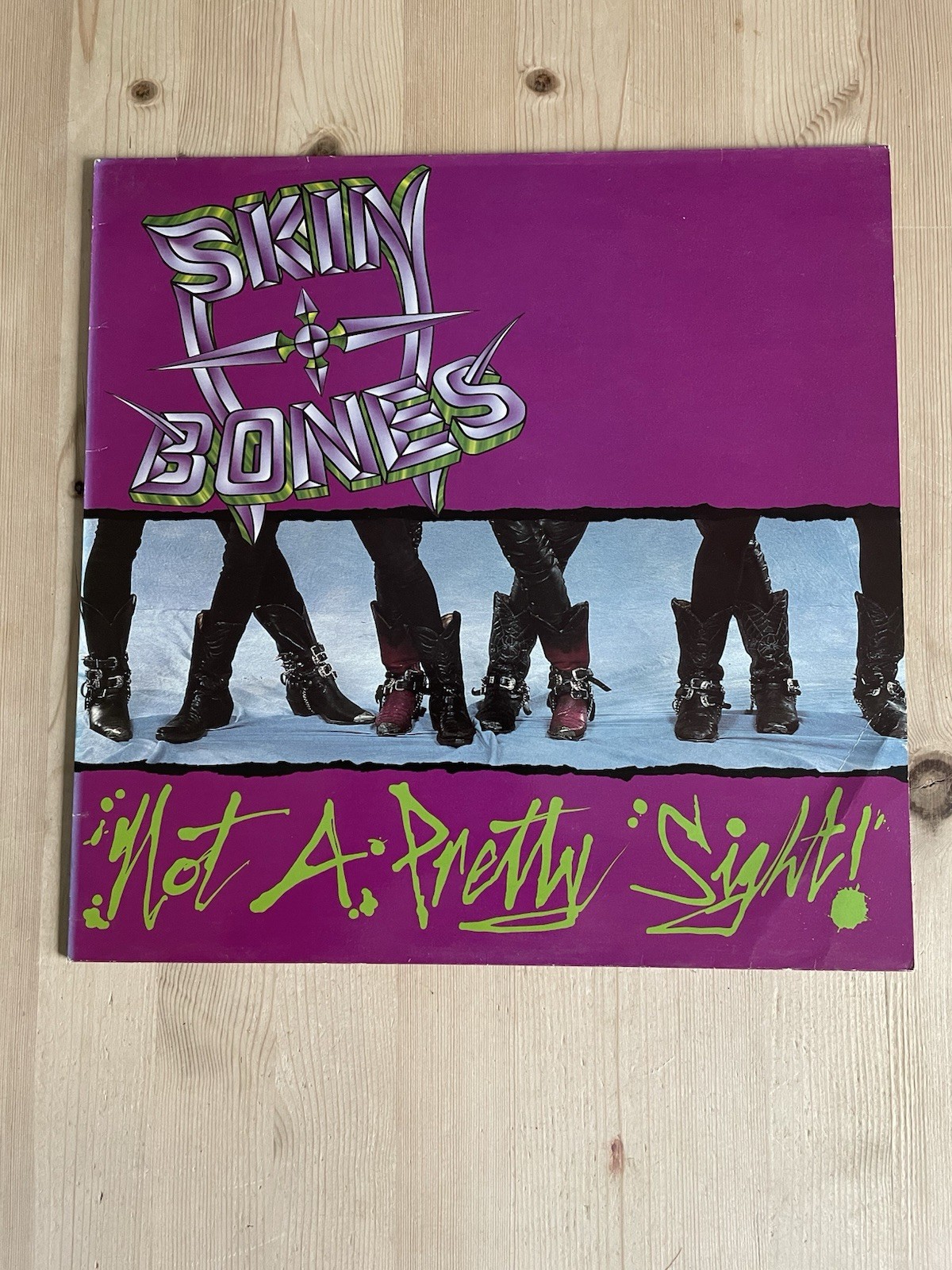
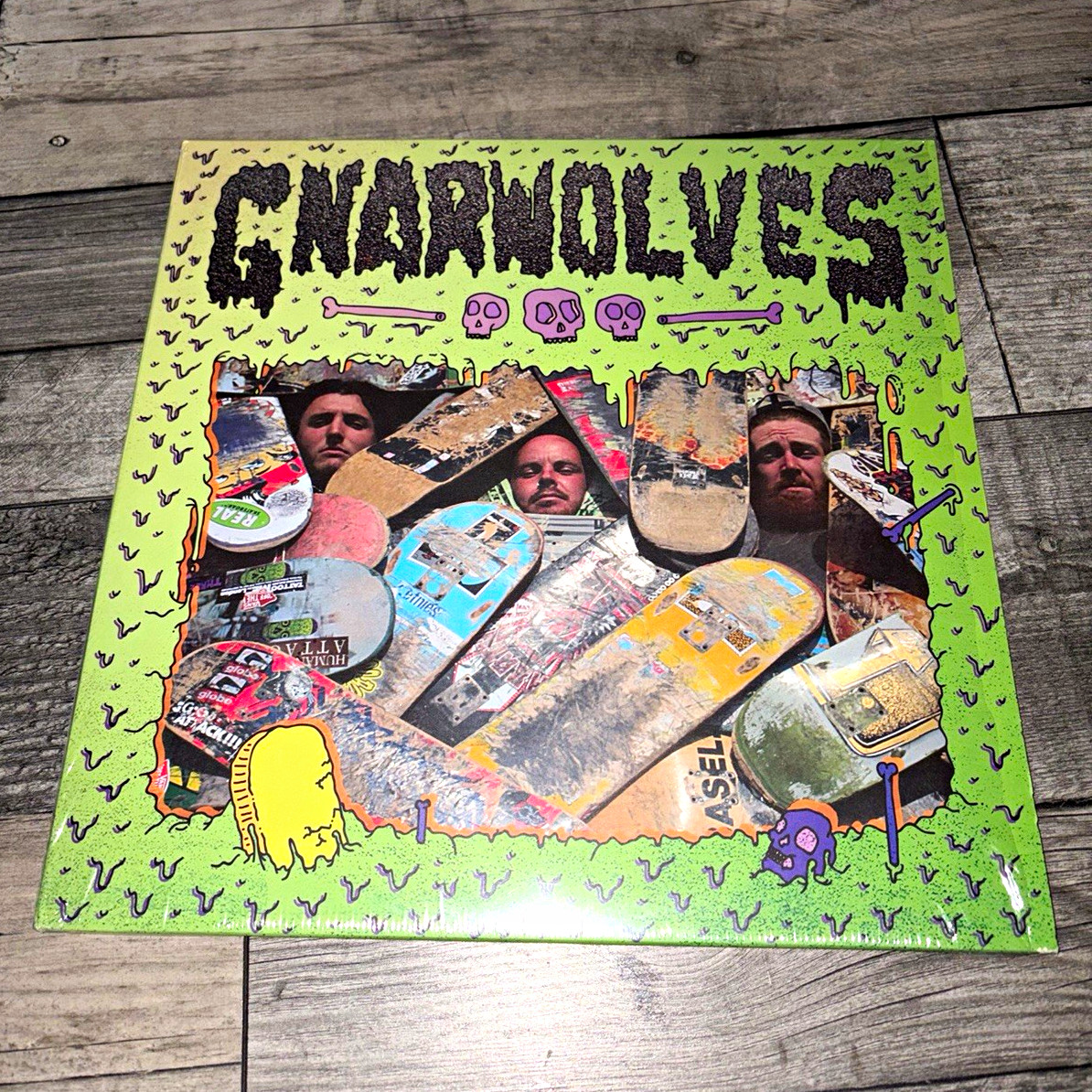
What makes a vinyl record rare?
Age alone does not make a record rare. Millions of 1960s and 1970s LPs survive, and most sell for a few pounds. A record becomes rare when few copies were made, or few survived, and collectors still want it. The usual reasons:
- Small pressing runs. Private-press albums made by bands or tiny labels, often in a few hundred copies or less, and debut releases that sold badly at the time.
- Withdrawn releases. Records pulled from sale after pressing, usually over a legal row or a banned song. Most copies were destroyed, so the survivors are scarce.
- First pressings and label variants. The first run of a famous album often differs from later copies in its label design or matrix numbers. Collectors pay a premium for the version that came first.
- Promos, test pressings and acetates. Copies made for radio stations and reviewers before release. UK promotional singles from the 1960s often carry a large "A" on the label to mark the side to play.
- Mistakes. Misprinted labels and wrong running orders that were corrected on later copies.
- Condition. A record that was cheap and played to death in its day, like many dance and soul singles, is rare in clean condition even if plenty were pressed.
Four UK rarities and what they made
Sex Pistols, God Save the Queen (A&M, 1977). A&M pressed 25,000 copies, then dropped the band and destroyed almost all of them. Somewhere between 13 and 20 are thought to survive. One sold at a Wiltshire auction in July 2024 for £20,000 plus buyer's premium (Antiques Trade Gazette).
Frank Wilson, Do I Love You (Indeed I Do) (1965). Motown boss Berry Gordy reportedly had the single scrapped before release, and only two copies are known for certain (Far Out). The song became a northern soul classic in England, and a copy bought by an English collector in 2020 went for £100,000 (Clash).
The Quarrymen, That'll Be the Day (1958). The first recording by the group that became the Beatles exists as a single acetate disc, owned by Paul McCartney. Record Collector magazine valued it at £200,000, the top figure on its list of Britain's most valuable records (Sky News via Yahoo).
The Beatles, Please Please Me (Parlophone, 1963). First pressings have a black label with gold print, replaced within months by the yellow-on-black design. In 2024 the manager of a Cancer Research UK shop in Enfield spotted a donated copy, and it sold online for £4,211.89 (ITV News).
The Beatles example shows how much the exact pressing matters, even on an album that sold in huge numbers. Our guide to cheap Beatles vinyl explains how to tell a first pressing from a later copy.
Labels and genres UK collectors chase
Some labels and scenes produce rare records far more often than others. If you are digging in a charity shop or a box at a fair, these are worth pulling out and checking:
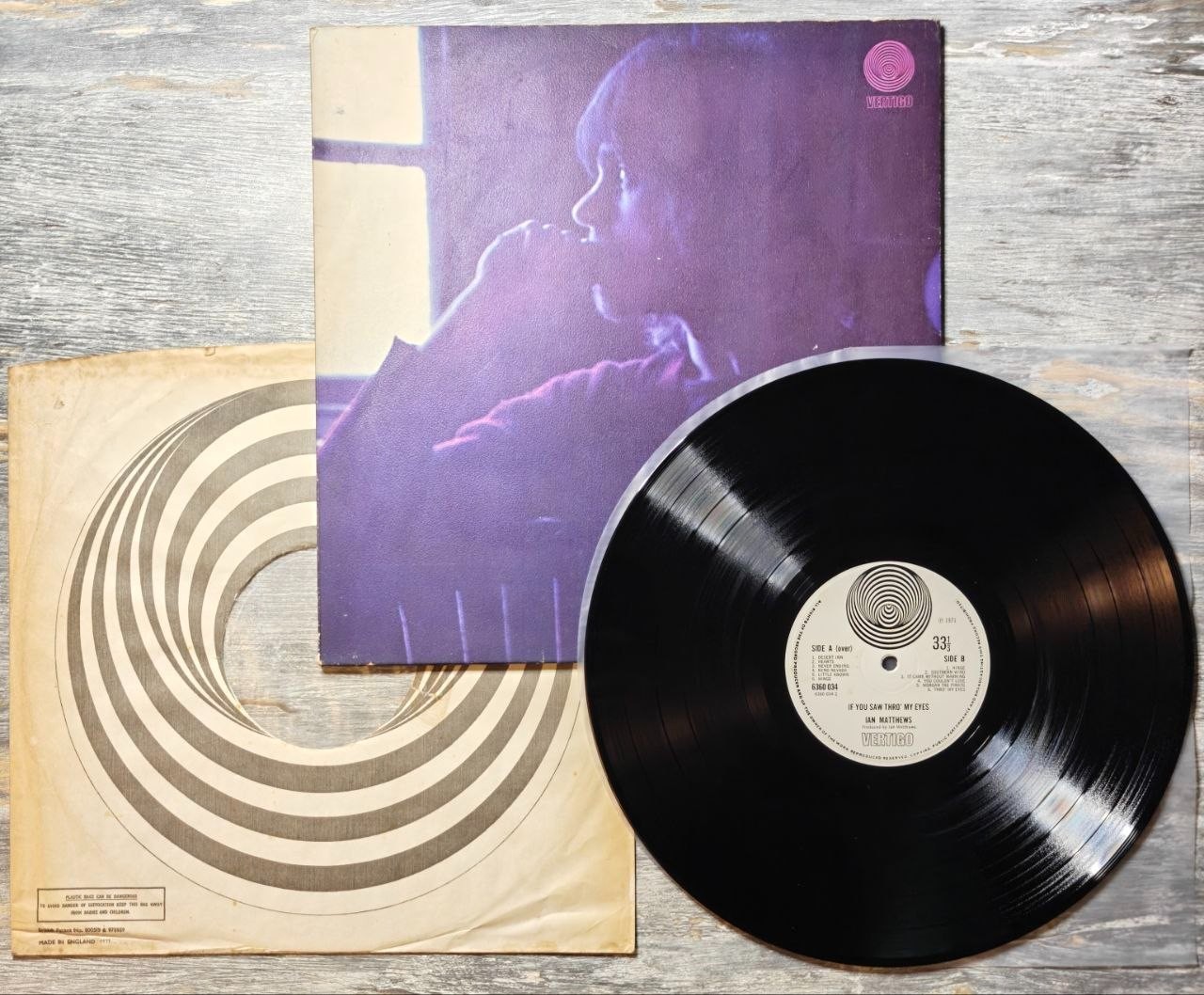
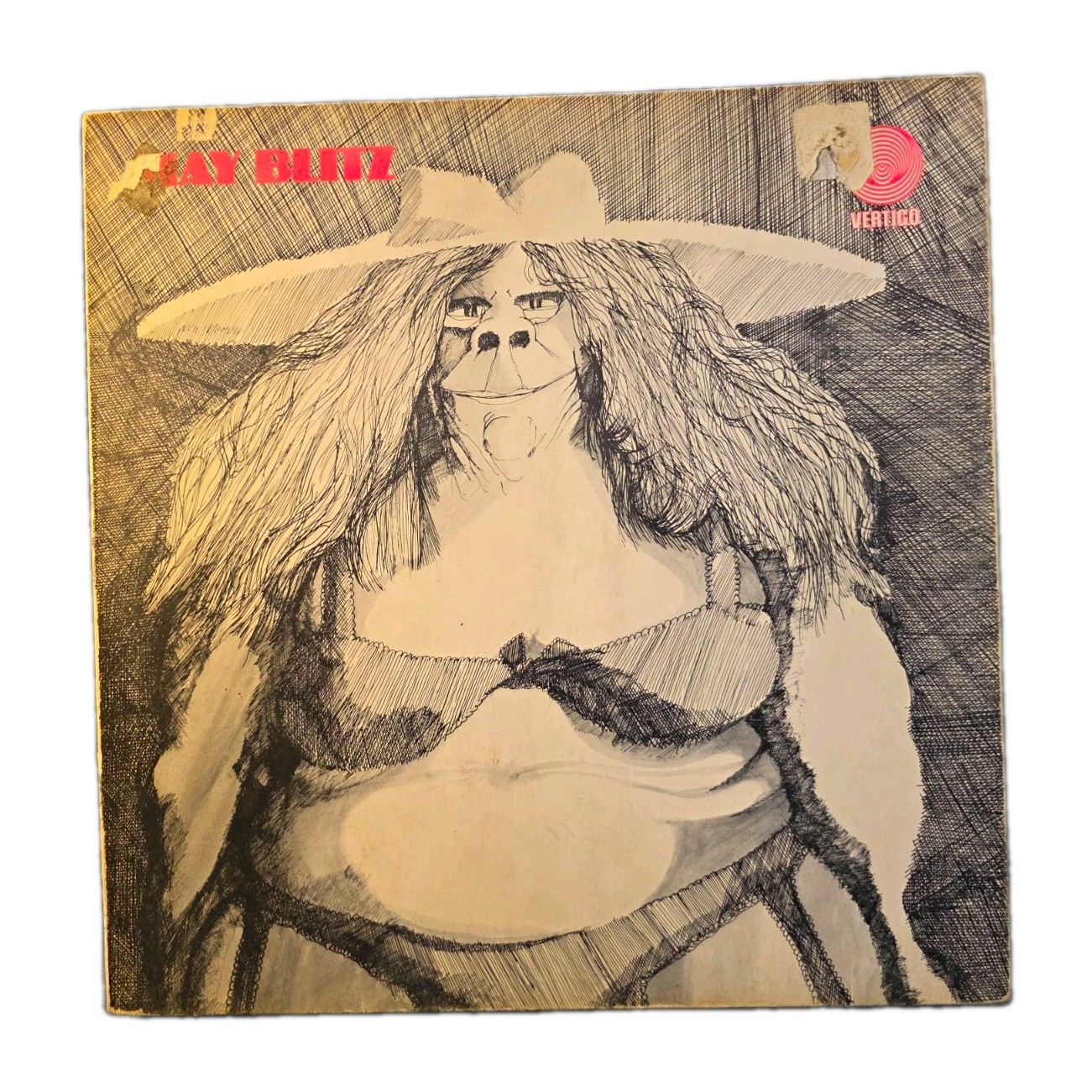
- Vertigo "swirl" label (1969 to 1973). The black-and-white spiral label on Vertigo's early progressive rock LPs. Debuts by bands like May Blitz, Juicy Lucy, Gentle Giant and Black Sabbath sell for far more on the swirl than on later labels. Browse current listings
- Island pink label (1967 to 1970). Island's first rock label, before the palm tree design. Early Traffic, Free, Fairport Convention and Jethro Tull LPs on the pink "i" label are the ones to look for. Browse current listings
- Early Tamla Motown UK singles. Motown releases on Stateside and the early Tamla Motown TMG series, especially demo copies. Browse current listings
- Northern soul 45s. US soul singles that found their audience in English clubs. Original label copies of the big floor-fillers sell for hundreds, while reissues sell for a few pounds. Browse current listings
- UK folk and psych private pressings. Small-run albums from the late 1960s and early 1970s, often sold at gigs or by mail order. This is where most of the four-figure UK LPs sit. Browse current listings
- Classical: Columbia SAX and Decca SXL first editions. Early stereo pressings, known to collectors as ED1, with the original blue-and-silver Columbia or wide-band Decca label. Violin recordings from the late 1950s are the most sought after. Browse current listings
Early blues LPs belong on that list too, especially 1960s UK releases on Pye International. Our guide to blues vinyl records explains which ones to look for.
Modern rarities: Record Store Day and limited editions
Not every rare record is old. Record Store Day UK started in 2008 and now involves over 300 independent shops across the UK and Ireland. Its exclusive releases are pressed in limited numbers and sold only in person at participating shops on the day, with no reservations and no online sales until the following Monday evening (Record Store Day UK). The next drop is the Black Friday event on 27 November 2026, with around 150 titles (Official Charts).
Limited does not always mean valuable, though. Plenty of numbered and coloured-vinyl editions end up selling for less than their shop price a year later. The ones that hold their value tend to be first vinyl releases by artists with a big following, and pressings that are never repeated. Small independent releases can become rare in the same way, now that pressing plants take orders of just 100 copies. Our guide to short run vinyl pressing shows how small those runs are.
How to check what a rare record is worth
- Identify the exact pressing. Note the label, the sleeve, the catalogue number and the matrix numbers scratched or stamped in the run-out groove. Two copies of the same album can differ in value by hundreds of pounds.
- Grade it honestly. Look at the vinyl under a bright light and check the sleeve for splits and writing. Our Beatles guide explains the grading scale most UK sellers use.
- Check a price guide. Record Collector's Rare Record Price Guide is the standard UK reference and is updated every year (Rare Record Price Guide).
- Look at sold prices, not asking prices. What a record actually sold for is the only reliable number. Search recent sold listings for your record and compare copies in the same condition.
Selling rare vinyl in the UK
How you sell depends on what you have. A single record worth hundreds or more can do well at a specialist music auction, where serious collectors bid against each other, but remember the seller's commission and the buyer's premium come out of the final price. Records worth tens of pounds usually sell fastest online, where you set the price and reach buyers across the country. Record shops and fairs will buy a whole collection in one go, which is quick, though a dealer has to make a margin and will pay below what each record would make on its own.
Whichever route you take, photograph the labels and the run-out grooves. Buyers of rare records want proof of the pressing before they pay.
Rare vinyl questions
What is the rarest record in the UK?
The Quarrymen’s 1958 acetate of That’ll Be the Day, recorded by the group that became the Beatles, is usually named as Britain’s rarest record. Only one copy exists and Paul McCartney owns it. Record Collector magazine valued it at £200,000.
How do I know if my vinyl record is rare?
Check the label, the sleeve, the catalogue number and the matrix number in the run-out groove, then compare them with a price guide and with recently sold copies. Early pressings, withdrawn releases, promos and small private pressings are the records most likely to be rare.
Are old 45 singles worth money?
Most are not, because hits were pressed in huge numbers. The exceptions are withdrawn singles, promo copies, early pressings by famous bands and original northern soul and Motown 45s, which can sell for hundreds or more.
Are any CDs worth money?
A small number are. Withdrawn CDs and promo-only releases by popular artists can sell for well above their original price. Most CDs from the 1990s and 2000s sell for very little.
Where can I find rare vinyl cheaply?
Charity shops and car boot sales still turn up rare records because sellers often price by the box. Knowing which labels and pressings to look for is what turns a cheap find into a valuable one.